5 Critical Points When Creating Backlinks for Good SEO
Backlinks for Good SEO: 5 Points That Really Matter
Disclosure:
Disclosure: This page may contain affiliate links. These are links to sites that pay us commissions. We do not endorse these sites unless otherwise stated plainly.
Backlinks for Good SEO: 5 Points That Really Matter for your Longterm Success
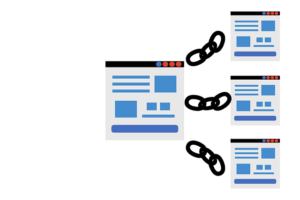
Image by Parveender Lamba from Pixabay
A backlink is a link from another website to yours. Search engines treat links as a kind of recommendation: when a trustworthy site points to your page, it suggests your content is worth reading. That’s why backlinks remain one of the most important parts of search engine optimization (SEO).
But more links don’t automatically mean better rankings. A few links from relevant, respected sites usually help far more than hundreds from poor-quality ones. Here are five points to get right when you build backlinks.
1. Quality Beats Quantity
Not all links are equal. A link from a respected site in your field carries more weight than a link from a brand-new, thin or unrelated site. When you assess a possible link, ask:
- Is the site real, with original content and genuine readers?
- Would the page that links to you make sense to a human visitor?
- Does the site link out to only a handful of trustworthy resources, or to everyone who pays?
One editorial link from a well-known publication in your niche can be worth more than a long list of low-quality directory entries.
2. Relevance Matters
Search engines look at the context around a link. A link to your gardening page from a gardening blog makes sense. The same link from a casino review site looks odd. Relevance shows up in several ways:
- The topic of the page that links to you
- The words around the link
- The anchor text, which is the clickable wording
Keep your anchor text natural and varied. Using the same keyword-packed phrase over and over looks artificial, so mix in your brand name, the page title, plain phrases like “this guide” and the bare URL.
3. Placement and Visibility
A link inside the main content of a page, where readers will actually see and click it, is generally more valuable than one buried in a footer or a long list of unrelated links. Search engines have said little about exactly how position affects value, so treat this as a sensible guideline rather than a rule. What matters most is that the link helps the reader.
4. Variety and Natural Growth
Healthy link profiles look like they grew naturally. They include links from many different sites, in different formats, arriving at an ordinary pace. Warning signs include:
- Dozens or hundreds of links from a small group of sites
- A sudden spike of links from sites that look alike
- Links exchanged back and forth between sites you own
In the early days of SEO, some webmasters built networks of near-identical sister sites that linked to each other to inflate rankings. That tactic is exactly what search engines now work to detect, and it can lead to lost rankings or manual penalties. Aim for links from a wide range of independent sources.
5. Keep Your Links Healthy Over Time
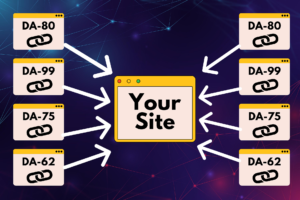
Image by Parveender from Pixabay
Backlink building is not a one-time job. Check your link profile regularly:
- Review the links pointing in. Use the free reports in Google Search Console (and any link tool you prefer) to see who links to you.
- Find broken links. Fix pages that return errors, or redirect them to the closest relevant page, so the value of links to them isn’t lost.
- Watch for suspicious links. A few odd links are normal and usually ignored. If you ever see a large unnatural pattern or receive a manual action notice, deal with it promptly.
- Keep content current. Fresh, accurate pages keep earning links. Outdated pages gradually lose them.
Link Tactics That Can Backfire
Some shortcuts can hurt you more than they help:
- Buying links that pass ranking value. Google’s link spam policies treat paid links as a violation unless they’re marked as such. If you buy or sell placements, or run sponsored posts and affiliate links, mark them with
rel="sponsored"(orrel="nofollow"). - Excessive link exchanges (“link to me and I’ll link to you”) on a large scale.
- Automated link-building programs and mass directory or comment spam.
- Hidden or unrelated links placed purely for ranking.
- Private blog networks built to pass authority to a money site.
For more on this, see our post on black hat tricks versus white hat methods.
Safe Ways to Earn Backlinks
- Create something worth linking to. Original guides, checklists, data and tools attract links naturally.
- Write guest posts for relevant sites. Offer real value to their audience, and link to your own work only where it fits.
- Be helpful in communities. Answer questions on forums, groups and social platforms in your field, following their rules.
- Build relationships. Contact site owners and bloggers whose readers would genuinely benefit from your resource.
- Fix broken links on other sites. Tell the owner about a dead link and suggest your relevant page as a replacement.
- Get listed where it’s legitimate. Industry associations, local business directories and partner pages are all fair game.
For a step-by-step plan, read our guide to building an SEO linking strategy.
The Same Three Rules as Any Business
Making money online isn’t magic. The same three things that apply to a brick-and-mortar business apply here:
- Offer a product or service people want or need.
- Make it easy for them to find you.
- Stand out from your competition.
Good backlinks help with the second and third, by sending relevant visitors to your site and showing search engines that others trust you.
Final Thoughts
Good backlinks come from good content, genuine relationships and patience. Focus on quality, relevance, natural variety and regular check-ups, and avoid shortcuts that put your site at risk. Start by reviewing the links you already have, then pick one safe tactic from the list above and put a little time into it each week.
What link-building methods have worked for you? Tell us in the comments, and please keep your comment relevant (spam links are removed).